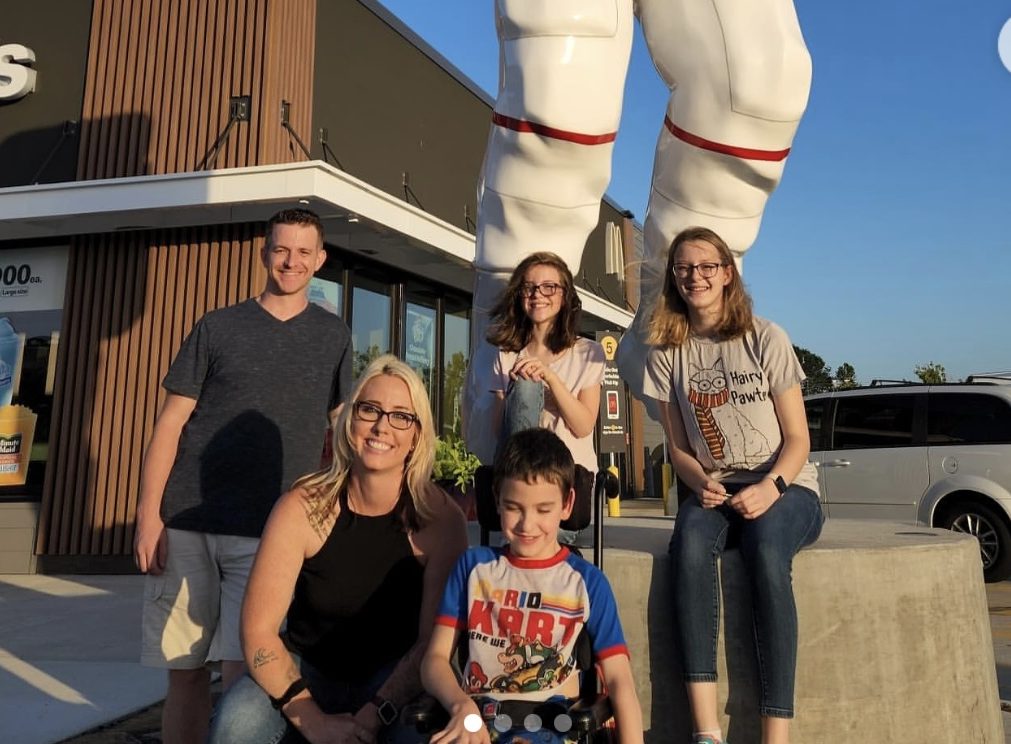

The third episode of this series was recorded during the same conversation as the second. The two episodes are unique in that there former provides a background of the family and their experience with Ms. Rochelle. This episode looks at the recent past, present, and considers the future. In this blog post, I will preview the episode and share recommendations for teachers and families. Zach and Anita’s narrative not only highlights the challenges faced but also underscores how inclusive efforts can transform lives.
Archer’s Journey
From the outset, Zach and Anita emphasize the importance of seeing past Archer’s diagnosis and recognizing him as an individual. As Zach eloquently puts it, “Treat Archer like Archer. Don’t treat Archer like Archer, who has cerebral palsy.” This mindset of focusing on the person rather than the disability lays the groundwork for true inclusion.
The School’s Role in Inclusion
1. Communication: The Key to Success
For inclusion to be successful, ongoing communication between parents and schools is crucial. When Archer’s school was unable to provide transportation for a field trip, the school’s proactive approach in offering alternatives exemplified a commitment to inclusion. The school offered to cover transportation costs when they couldn’t provide a bus, demonstrating respect and understanding.
2. Making Inclusive Decisions Early
Another vital aspect is early intervention and planning. This was evident when Archer expressed his desire to join the band and become a drummer. Zach contacted the school well in advance, allowing sufficient time to make the necessary arrangements. As a result, Archer successfully participated in the school band, fulfilling his dream.
Practical Recommendations for Teachers and Families
For Teachers:
- Embrace Individual Abilities: Focus on the student’s abilities rather than the limitations. For instance, allowing Archer the extra time he needs to respond in class ensures he is included and respected.
- Initiate Early Planning: Teachers should start planning well before transition periods. Communicate with parents and specialists to understand the student’s needs in advance.
- Promote Open Communication: Regularly check in with parents and students to adjust any accommodations as needed. Being open to feedback can significantly enhance the learning experience for students with disabilities.
For Families:
- Be Proactive and Involved: Parents should actively participate in their child’s school planning and advocate early for their needs. Ensuring open channels of communication with educators helps in planning and adaptability.
- Develop a Support Network: Inclusion is a community effort. Including teachers, specialists, and even peers in the child’s growth journey fosters an inclusive environment.
- Be Patient and Persistent: Sometimes, adjustments are necessary, and solutions may not be immediate. Patience and persistence are crucial in advocating for your child’s needs.
Impact of Inclusive Mindsets
Inclusion extends beyond the classroom. The Story family underscores this through examples of Archer’s inclusion in social activities, such as birthday parties and back-to-school events. These instances highlight how community members can actively participate in fostering an inclusive environment.
Final Thoughts
The Story family’s journey with Archer showcases the transformative power of inclusive education. By focusing on individual strengths, initiating early planning, and maintaining open communication, we can create environments where all children, regardless of their abilities, are welcomed and included.
Teachers and families play a pivotal role in this process. By working together, we can ensure that every child has the opportunity to thrive and succeed. For those interested in sharing their stories of inclusion, Zach and Anita encourage you to reach out and contribute to the ongoing dialogue of making love and inclusion a part of every classroom.
Subscribe to the Podcast: For more inspiring stories of inclusion, subscribe to “Love as a Classroom” and join the conversation on our social media platforms.
Remember: Choose Love. Choose Inclusion.